Ten Mistakes Every First Time Camper Should Avoid
Camping can be an exhilarating experience, especially in 2026 when outdoor adventures are becoming increasingly popular. However, first time campers often make mistakes that can turn a joyful experience into a stressful one. Understanding what to avoid before heading out into nature can significantly enhance your enjoyment and safety. This article outlines ten common mistakes that first time campers should avoid to ensure a successful trip.
Inadequate Preparation
One of the most frequent mistakes made by novice campers is insufficient preparation. This involves not only packing the right gear but also understanding the camping environment. In 2026, many people are returning to nature after years of urban living, so it is crucial to familiarize yourself with the camping site. Research the area, including local wildlife, weather conditions, and available facilities. Being prepared means knowing how to handle unexpected situations such as sudden weather changes or wildlife encounters.
Checklist Essentials
A well-thought-out checklist can help avoid last-minute surprises. Consider including the following items:
- Sleeping bag rated for the current season
- Cooking equipment and utensils
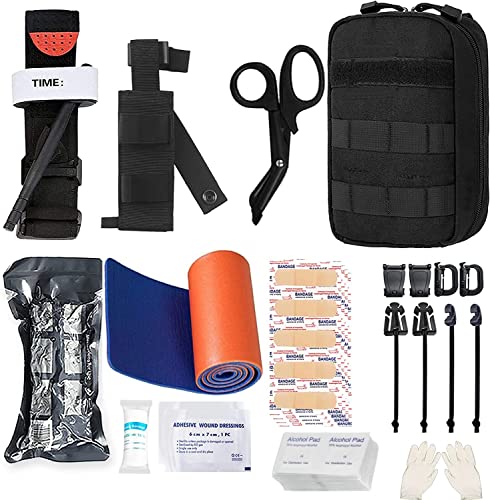
- First aid kit with essential medications
- Food and water supplies
- Appropriate clothing for varying weather conditions
Moreover, double-checking your gear before departure can save you from forgetting vital items. This practice is essential as the consequences of forgetting something crucial can lead to discomfort or danger during your trip.
Poor Tent Selection
Choosing the wrong tent is another common error made by first time campers. In 2026, tents come in various shapes and sizes, each designed for different environments and purposes. It is vital to select a tent that suits your camping needs. A small two-person tent may be ideal for a solo or couple's trip, but it may not provide enough space for gear storage and comfort.
Considerations for Tent Selection
When selecting a tent, consider the following factors:
- Size: Ensure the tent accommodates the number of campers plus gear.
- Weather resistance: Check the tent's waterproof rating and materials.
- Setup time: Choose a tent that is easy to set up to avoid frustration.
Another essential aspect is practicing setting up your tent at home before your trip. Familiarity with the setup process can significantly reduce stress when you arrive at the campsite.
People Also Look For:
- LATERN Waterproof Dry Bag, 20L PVC Dry Sack Backpack 100% Waterproof Bag with Adjustable Double Shoulder Strap for Kayaking Raftin...
- Underwood Aggregator 1 Man Backpacking Tent - Lightweight Waterproof One ManTent for Camping, Easy Set Up Compact 1 Person DomeTen...
- Camping Gas Stove Portable Single Burner 2800W Mini Pocket One-Piece Gas Burner Backpacking Cooking Folding Stove Camping Cookware...
- Odoland Camping Cookware Utensils Travel Set, Camp Kitchen Utensil Organizer, Cutting Board, Kitchen Scissors, Slotted Tongs Seaso...
- 4 Season 5-6 Person Deluxe Family Tent Camping Tent with Separate Living And Sleeping Area,3000mm Waterproof Large Pop-Up Tent wit...
Neglecting Food and Water Planning
Food and water are critical components of any camping trip. Many first time campers underestimate the importance of meal planning and hydration. In 2026, with an emphasis on outdoor cooking, it is more essential than ever to plan meals that are not only nutritious but also easy to prepare.
Meal Ideas and Hydration Strategies
Consider meal options like:
- Pre-packaged meals for convenience
- Non-perishable snacks like nuts and trail mix
- Fresh fruits and vegetables that are easy to pack
Also, ensure you have a reliable method for water purification. Bring enough water for drinking and cooking, and consider bringing a water filter or purification tablets if you plan to source water from nearby streams.
Ignoring Safety Protocols
Safety should be a top priority when camping. First time campers sometimes neglect safety protocols, which can lead to dangerous situations. In 2026, it is crucial to stay informed about local wildlife and potential hazards in the area. Familiarize yourself with safety tips related to wildlife encounters and natural disasters.
Safety Practices to Follow
Some key safety practices include:
- Storing food securely to avoid attracting wildlife
- Understanding how to use a first aid kit effectively
- Keeping a safe distance from wild animals
In addition, take note of emergency contact information and have a plan in case of emergencies. Knowing how to react in different scenarios can make all the difference.
Overpacking or Underpacking
First time campers often struggle with the balance of packing too much or too little. Overpacking can lead to carrying unnecessary weight, while underpacking can leave you without essential items. In 2026, the trend of lightweight camping gear has made it easier to pack efficiently without sacrificing comfort.
Tips for Efficient Packing
To strike the right balance, consider the following:
- Evaluate the weight and space of your gear.
- Prioritize multi-purpose items.
- Think about the duration of your trip to determine necessary supplies.
Also, consider packing items that can serve multiple purposes, such as a cooking pot that can also function as a water container. This approach allows you to minimize weight while ensuring you have everything you need.
Overlooking Camp Etiquette
Understanding and respecting camp etiquette is essential for maintaining a harmonious camping environment. First time campers may not be aware of the unspoken rules that govern campsite behavior. In 2026, as more people embrace camping, being mindful of others is crucial.
Key Camp Etiquette Guidelines
Some important guidelines to follow include:
- Respecting quiet hours to allow others to enjoy their experience
- Cleaning up after yourself to maintain a clean campsite
- Being courteous to fellow campers and sharing communal spaces
By following these guidelines, you contribute to a positive atmosphere that enhances everyone's camping experience. This is particularly important as the popularity of camping continues to rise.
Failure to Embrace Nature
Lastly, first time campers sometimes get so caught up in logistics that they forget to enjoy the beauty of nature. In 2026, many are discovering the mental health benefits of spending time outdoors. Make a conscious effort to embrace your surroundings and engage with nature.
Ways to Connect with Nature
Engage in activities such as:
- Hiking to explore nearby trails
- Stargazing in the evenings to appreciate the night sky
- Taking time for mindfulness practices, such as meditation
By allowing yourself the space to connect with nature, you can enhance your camping experience and create lasting memories. Embracing these practices leads to a more fulfilling outdoor adventure.